Recoil Springs Solutions
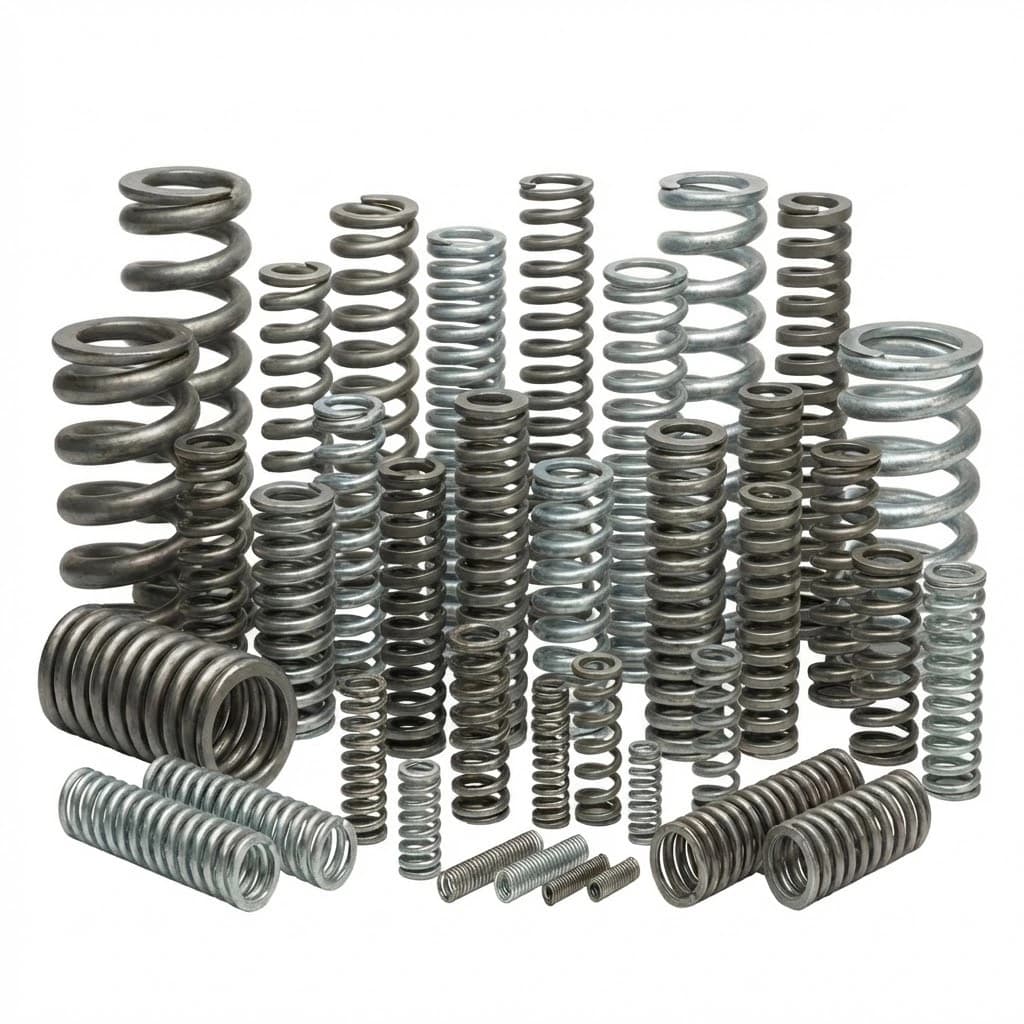
Recoil Spring Recoil spring solutions manufactured from high-strength steel, delivering safe and balanced performance for semi-automatic and fully automatic systems.
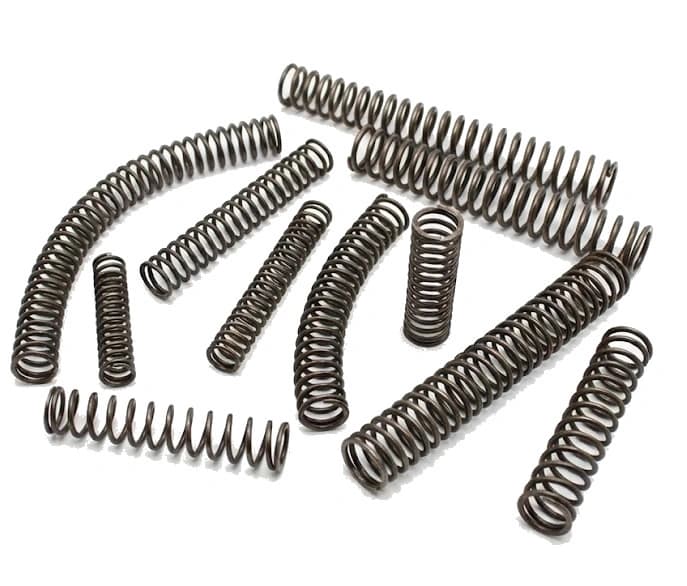
What is Recoil Spring?
Core Functions and Importance of the Recoil Spring
During the firing cycle, the recoil spring ensures mechanical continuity by storing and managing kinetic energy. As documented in technical sources, this critical component performs four primary functions:
Return to Battery: After a shot, the slide (bolt assembly) moves rearward under recoil force. The recoil spring uses the energy it has stored to push the slide forward rapidly and consistently into its initial position. This forward force is vital to lock the firearm and prepare it for the next shot.
Ammunition Feeding: During the slide’s forward movement, the recoil spring enables a new cartridge to be stripped from the magazine and chambered smoothly. Incorrect spring tension inevitably leads to feeding malfunctions and stoppages.
Impact Damping and Frame Protection: The high pressure generated at the moment of firing drives the slide rearward with significant force. The recoil spring compresses to absorb this energy, preventing hard metal-to-metal impact between the slide and the frame. This damping effect helps avoid frame cracks and mechanical failures, extending the firearm’s service life.
Support of the Locking Mechanism: Especially in locked-breech systems, overcoming resistance during full rear closure of the barrel and locking of the mechanism relies on the precisely calculated forward force of the recoil spring.
Our Manufacturing Technology: Materials Science and Design
The quality of a recoil spring is defined not only by its dimensions, but also by the microstructure of the steel used and the precision of its heat treatment.
High-Strength Materials: Our springs are manufactured from high-carbon and alloy steels enhanced with silicon, chromium, and vanadium, optimizing the modulus of elasticity and yield strength. These alloys ensure the spring retains its form even after thousands of operating cycles.
Buckling Control: Due to their long and slender structure, recoil springs are prone to buckling under compression. In our designs, the spring’s slenderness ratio and its compatibility with the guide rod are calculated with tight tolerances to ensure straight, axial movement.
Custom Winding and Spring Rates: Every firearm operates under different pressure conditions. Even with identical diameters, we produce model-specific springs with calculated coil counts and spring rates (lbs values) tailored to varying ammunition pressures.
Performance Options: Standard and Custom Solutions
We offer recoil spring solutions with different performance characteristics based on user requirements:
Standard (Factory) Springs: Optimized to match factory specifications, providing balanced performance and long service life.
Reinforced (Hard/Heavy) Springs: Designed for high-pressure (+P) ammunition or systems with strong recoil. They reduce slide impact force on the frame and promote faster, more controlled locking.
Soft (Light) Springs: Ideal for low-pressure ammunition used in target and competition shooting. They allow lighter slide movement and reduced vibration for faster follow-up shots, but require precise tuning to maintain feeding reliability.
Why Spring Quality Matters
A recoil spring that loses its properties over time—shortening in length or suffering from metal fatigue—can cause feeding failures, stovepipes, and in the worst cases, frame or slide breakage. Experts recommend replacing recoil springs at specific round counts (e.g., every 10,000 rounds) to ensure reliable operation.
Don’t leave your firearm’s performance to chance. Take control of the power with recoil springs manufactured to ballistic standards, fatigue-tested, and engineered with precision.
Usage Areas
- Semi-Automatic Pistols
- Infantry and Assault Rifles
- Heavy Machine Guns
- Semi-Automatic Shotguns
- Airsoft Pistols and Rifles
- Air Guns
- Recoil Damping Systems
- Mechanical Recoil Reduction Systems
Technical Specifications
| Tel Çapı / Wire Diameter | 1.09 mm, 1.13 mm and 1.15 mm |
|---|---|
| Ağırlık / Weight | The weights of the springs were measured as 8.06 grams, 8.5 grams, and 8.7 grams. ve 8.7 gram |
| Tel Çapı / Wire Diameter (d): | 1.5 mm |
| Ortalama Yay Çapı (D) / Average Spring Diameter (D) | 11 mm |
| Serbest Boy (L 0 ) / Free Length (L₀) | 400 mm |
| Hatve (p - Pitch) | 10 mm |
| Aktif Sarım Sayısı (N a ) / Active Number of Coils (Nₐ) | 40 |
Frequently Asked Questions
What is the primary function of the recoil spring (return spring), and why is it important?
The primary function of the recoil spring is to push the slide (bolt assembly), which moves rearward due to recoil energy after a shot, back forward into the “battery” position (ready-to-fire state). As the slide moves forward, it strips a new cartridge from the magazine and chambers it, completing the feeding cycle. In addition, by absorbing and damping the energy generated during firing, the recoil spring reduces the recoil felt by the user and prevents the slide from striking the frame violently, thereby protecting the firearm from damage.
What are the differences between Standard, Hard, and Soft springs?
The spring stiffness (lbs value) should be selected according to the pressure of the ammunition used and the intended purpose. Standard Springs: Matched to factory specifications, they provide balanced performance and long service life. Reinforced (Hard) Springs: Preferred for use with high-pressure ammunition or heavier slides. They prevent the slide from returning too quickly, thereby reducing mechanical impact and wear.
How often should I replace the recoil spring, and how can I tell when it has reached the end of its service life?
Recoil springs are subject to metal fatigue with use and may shorten or lose tension over time. As a general rule, to ensure reliable operation and prevent frame damage, it is recommended to replace the recoil spring every 10,000 rounds. Signs that a recoil spring has reached the end of its service life include feeding problems, failures to eject spent casings properly, frequent malfunctions, or the slide impacting the frame more harshly than normal.